
What acupuncture is
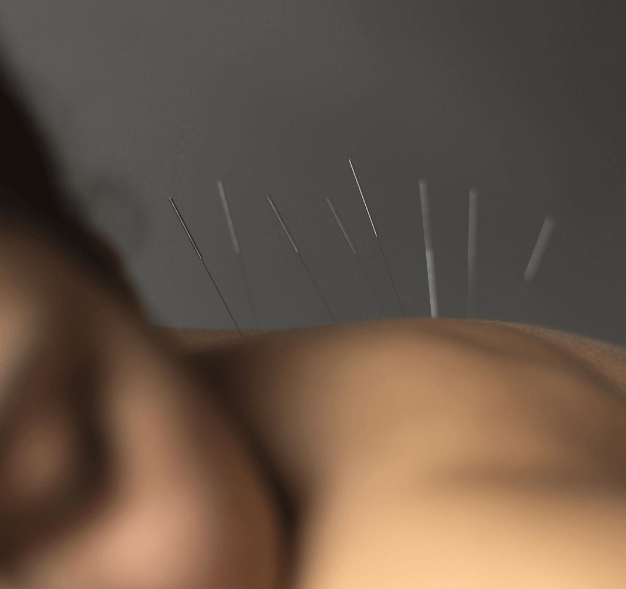
Acupuncture is a treatment in which a trained practitioner inserts very thin needles at specific points on the body. Some approaches use gentle manual stimulation; others may add electrical stimulation. People may use acupuncture as an adjunct—care added to a broader plan that can include diagnosis, exercise, physical therapy, rehabilitation, medication, chiropractic care, or other treatments.
It is not a cure-all. The goal is usually to support symptom relief and function while the underlying cause of pain is understood and addressed.
Where it may help
Research is most encouraging for several commonly studied pain problems. The evidence is not identical across conditions, and a treatment that helps one person may not help another.
| Condition | Evidence snapshot | Practical perspective |
| Low-back and neck pain | Relatively consistent support | May help reduce pain and support movement |
| Knee osteoarthritis pain | Relatively consistent support | Best considered alongside activity and rehabilitation |
| Chronic headaches or migraine | Support from randomized-trial evidence | May be useful for some people as part of prevention or symptom management |
| Shoulder pain | Support from randomized-trial evidence | Should not replace assessment of the cause |
| Postoperative pain | Some supportive evidence | Discuss timing and safety with the surgical or medical team |
The National Center for Complementary and Integrative Health (NCCIH) concludes that acupuncture may be helpful for several of these conditions. A large individual-patient meta-analysis of 29 randomized trials involving nearly 18,000 people found acupuncture performed better than both sham acupuncture and no-acupuncture control groups for back and neck pain, osteoarthritis, chronic headache, and shoulder pain.
What “benefit” means
In pain research, a modest benefit does not mean “no benefit.” For some people, a small reduction in pain may make it easier to walk, sleep, work, or take part in physical therapy. For others, the change may be too small to notice or may fade over time.
Studies often find a larger benefit when acupuncture is compared with no treatment than when it is compared with sham acupuncture. The difference from sham treatment is relatively small. This suggests that treatment context, expectations, time with a clinician, attention, and other nonspecific effects may contribute to the overall improvement—not that the experience is necessarily meaningless, but that the needles may not explain all of it. Acupuncture is one possible tool in a broader pain-management plan. It should not replace diagnosis, movement-based care, rehabilitation, or treatment of an underlying disease.
Evidence is less certain for some conditions. In particular, research on chronic neuropathic pain remains insufficient for firm conclusions about how effective acupuncture is.
Safety and choosing a qualified practitioner
When performed correctly with sterile, single-use needles, acupuncture is generally considered relatively safe. Common short-term effects include minor bleeding, bruising, soreness at needle sites, lightheadedness, fatigue, and a temporary flare of symptoms.
Serious complications are rare, but they can happen—especially with improper technique or nonsterile equipment. Possible complications include infection, punctured organs or lungs, and injury to the nervous system. Acupuncture needles should be sterile and labeled for single use.
| Before treatment, discuss your health history: Tell the practitioner about blood thinners or a bleeding disorder, pregnancy, a pacemaker or implanted electrical device if electroacupuncture is being considered, infection or immune suppression, a major medical condition, or a history of fainting with needles. |
Use a properly trained, licensed practitioner like the doctors at Fletcher Chiropractic who follows local requirements, uses sterile single-use needles, explains the expected course of treatment, and is willing to coordinate with your medical care.
Practical conclusion
Acupuncture can be a reasonable adjunct for some chronic pain conditions, particularly low-back or neck pain, knee osteoarthritis, and chronic headaches or migraine. Expect possible improvement—not guaranteed results—and use it alongside evidence-based care rather than instead of diagnosis, rehabilitation, movement, or treatment for an underlying disease.
If you try acupuncture, agree on a defined trial and a way to judge whether it is helping, such as improved function, sleep, or participation in rehabilitation. Reassess the plan if there is no meaningful improvement, and never delay evaluation of new, severe, or progressive symptoms. Feel free to reach out to Fletcher Chiropractic at 402.261.5766 or info@fletcherchiropracticllc.com.
Sources and further reading
- National Center for Complementary and Integrative Health: acupuncture effectiveness and safety
- Large individual-patient meta-analysis of 29 randomized trials involving nearly 18,000 people, published in the Archives of Internal Medicine: acupuncture for chronic pain
- Systematic review of prospective studies on serious adverse events: safety of acupuncture
- Cochrane review addressing the uncertainty around acupuncture for chronic neuropathic pain: review of the evidence