
Stretching is an essential component of maintaining flexibility, preventing injuries, and improving overall physical performance. Stretching is part of chiropractic care. Here are some of the best ways to incorporate stretching into your routine:

Types of Stretching
- Static Stretching
- Involves holding a stretch in a comfortable position for a period of time, usually 15-60 seconds.
- Best performed after a workout to improve flexibility and cool down the muscles.
- Examples include touching your toes, side bends, and quadriceps stretches.
- Dynamic Stretching
- Involves active movements where joints and muscles go through a full range of motion.
- Ideal before physical activity as it helps warm up the muscles and increase heart rate.
- Examples include leg swings, arm circles, and walking lunges.
- PNF Stretching (Proprioceptive Neuromuscular Facilitation)
- Involves a combination of stretching and contracting the target muscle group.
- Often performed with a partner, physician, therapist, or a trainer.
- Known for increasing flexibility significantly and includes techniques like contract-relax.
- Ballistic Stretching
- Involves bouncing movements to push the body beyond its range of motion.
- Can be risky and is usually not recommended for beginners due to the potential for injury.
- Typically used by athletes and dancers who require dynamic flexibility.
Tips for Effective Stretching
- Warm Up First: Always warm up your body with light cardio, such as jogging or jumping jacks, before stretching. This helps to prepare the muscles and prevent injury.
- Consistency is Key: Stretch regularly, ideally daily or at least three times a week, to maintain and improve flexibility.
- Listen to Your Body: Stretch to the point of mild discomfort, not pain. Stretching should never be painful. If so, go see a medical provider.
- Breathe Deeply: Breathing helps to relax the body and can improve the effectiveness of the stretch.
- Focus on Major Muscle Groups: Pay attention to the main muscle groups, including the calves, thighs, hips, lower back, neck, and shoulders.
Sample Stretching Routine
Here’s a simple routine you can follow to ensure all major muscle groups are stretched:
- Neck Stretch: Gently tilt your head to each side, holding for 15-20 seconds.
- Shoulder Stretch: Bring one arm across your chest and hold with the opposite arm.
- Triceps Stretch: Reach one arm overhead and down your back, using the opposite hand to press the elbow.
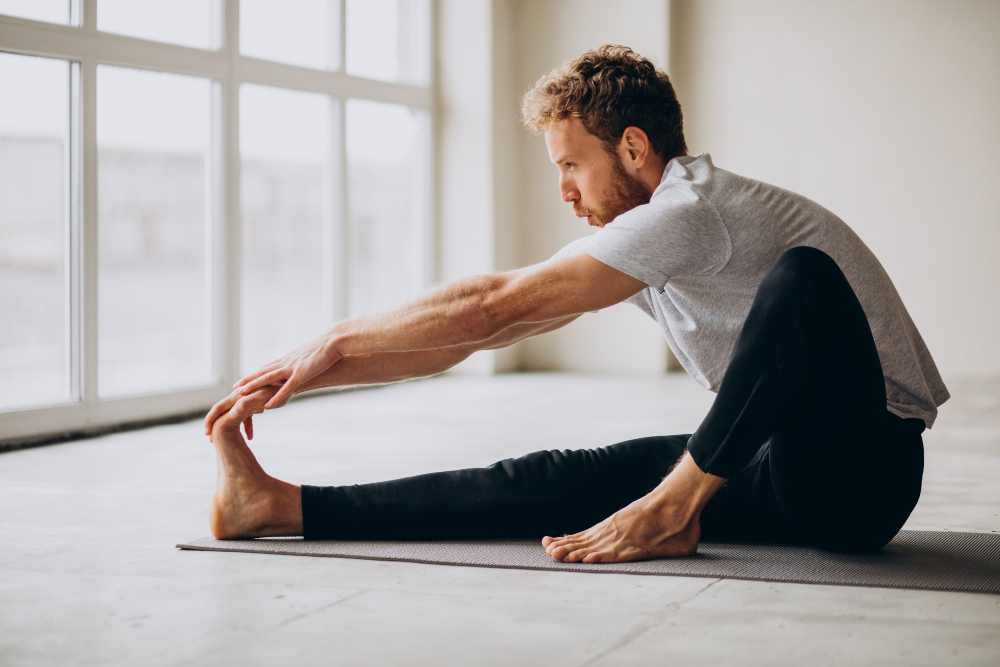
- Hamstring Stretch: Sit on the floor with one leg extended and reach for your toes.
- Quadriceps Stretch: Stand and pull one foot towards your glutes, keeping the knees together.
- Calf Stretch: Place your hands against a wall and step one foot back, pressing the heel into the ground.
- Hip Flexor Stretch: Kneel on one knee and press your hips forward gently.
Conclusion
Incorporating these stretching techniques into your routine will help to maintain flexibility, improve performance, and reduce the risk of injuries. Always remember to perform stretches safely and consult a professional if you are unsure or have any pre-existing conditions.
Fletcher Chiropractic believes that stretching is important part of chiropractic care. Yes, we do chiropractic adjustments. We also do acupuncture, nutrition, passive modalities, active therapies like exercises, and stretching. So if you ever have any questions, feel free to reach out to Fletcher Chirorpactic at 402.261.5766 or info@fletcherchiropracticllc.com. You can also visit our website at www.fletcherchiropracticllc.com for any questions or scheduling your next appointment.