What is IASTM?
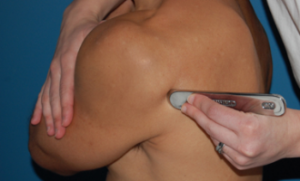
Instrument Assisted Soft Tissue Mobilization (IASTM) is a skilled intervention used to treat soft tissue dysfunction. It involves the use of specifically designed instruments to detect and treat fascial restrictions, scar tissue, and other soft tissue adhesions. It’s a modern evolution of traditional manual therapy techniques.
IASTM is not a standalone treatment. It is typically used in conjunction with other therapeutic interventions such as exercises, stretching, adjustments, and patient education.
Purpose of IASTM
The primary purpose of IASTM is to:
- Detect and Release Soft Tissue Restrictions: Identify and break down scar tissue, adhesions, and fascial restrictions that limit movement and cause pain.
- Reduce Pain: By addressing the underlying soft tissue dysfunction, IASTM can help alleviate pain associated with muscle imbalances, overuse injuries, and chronic conditions.
- Improve Range of Motion: Releasing restrictions allows for greater joint mobility and improved functional movement.
- Promote Healing: Stimulating local inflammation and tissue remodeling can encourage the healing process in injured soft tissues.
- Enhance Proprioception: Improving awareness of body position and movement by stimulating mechanoreceptors in the soft tissues.
Common IASTM Techniques
IASTM techniques typically involve the following steps:
- Assessment: The therapist will assess the patient’s movement, posture, and palpate the soft tissues to identify areas of restriction or dysfunction.
- Application of Instrument: A specialized IASTM instrument is applied to the skin with appropriate pressure and angle.
- Scanning: The instrument is used to scan the tissue. Then identify areas of restriction or adhesion. These areas may feel bumpy, fibrotic, or sensitive to the touch.
- Treatment: Once an area of restriction is identified. The instrument is used to apply specific strokes to release the tissue. Common strokes include:
- Sweeping: Long, gliding strokes along the tissue.
- Fanning: Short, overlapping strokes in a fan-like pattern.
- Strumming: Perpendicular strokes across the tissue fibers.
- Circling: Small, circular motions to break up localized adhesions.
- Re-Assessment: After treatment, the therapist will re-assess the area to determine if the restriction has been released. Also to evaluate the patient’s response.

Benefits of IASTM
IASTM offers a range of potential benefits, including:
- Decreased Pain: Reduction in pain levels associated with various musculoskeletal conditions.
- Improved Range of Motion: Increased joint mobility and flexibility.
- Reduced Muscle Tension: Release of muscle tightness and spasms.
- Improved Circulation: Increased blood flow to the treated area, promoting healing.
- Faster Recovery: Accelerated healing of soft tissue injuries.
- Enhanced Athletic Performance: Improved movement efficiency and reduced risk of injury.

Summary
IASTM is a valuable tool for addressing soft tissue dysfunction and promoting healing. When performed by a qualified practitioner, it can offer significant benefits for pain reduction, improved range of motion, and enhanced overall function. Remember that IASTM is most effective when integrated into a comprehensive treatment plan that includes exercise, stretching, adjustments, and patient education.
At Fletcher Chiropractic, we offer IASTM along with chiropractic adjustment, exercises, stretches, nutrition, and more to help you be functional and pain free to meet your specific goals. If you are interested, feel free to reach out at 402.261.5766 or info@fletcherchiropracticllc.com. You can also find out more information at www.fletcherchiropracticllc.com.