
Lower and Upper Crossed Syndromes are common postural imbalances affecting many individuals, often resulting from prolonged periods of poor posture or repetitive movements. These conditions are characterized by specific patterns of muscle weakness and tightness, leading to discomfort and potential injury if not addressed.
What is Upper Crossed Syndrome?
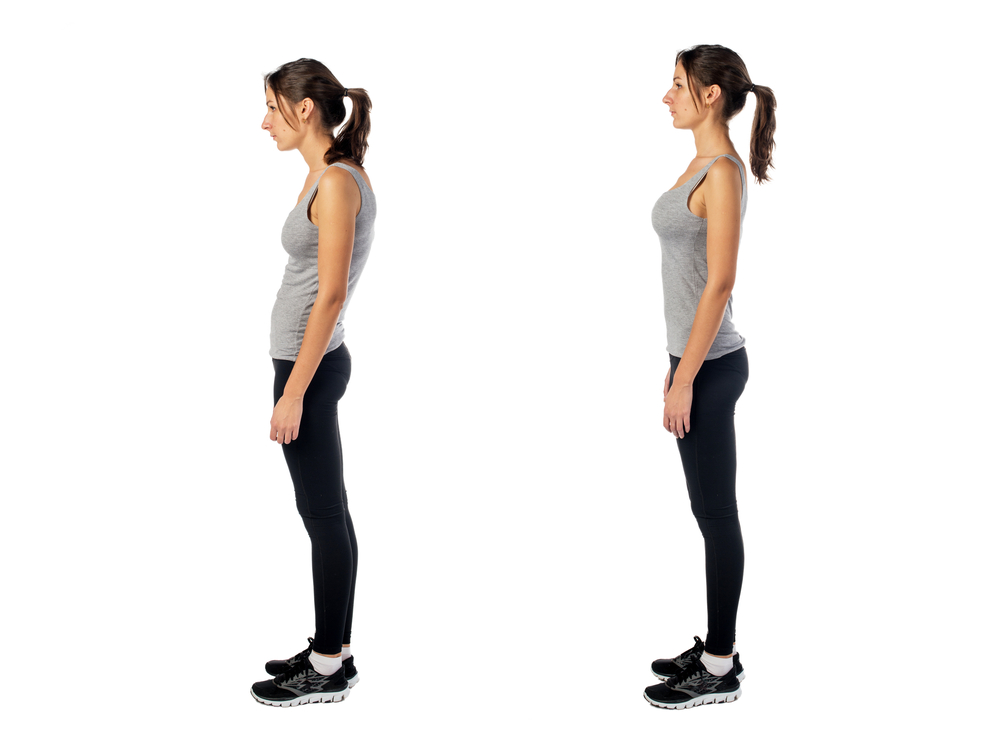
Upper Crossed Syndrome (UCS) is a postural imbalance primarily affecting the muscles of the neck, shoulders, and upper back. It is commonly seen in individuals who spend long hours sitting, especially those working at desks or using computers frequently.
Characteristics of UCS
- Tight Muscles:
- Pectoralis major and minor (chest muscles)
- Upper trapezius and levator scapulae (muscles at the back of the neck and shoulders)
- Weak Muscles:
- Deep neck flexors (muscles in the front of the neck)
- Lower trapezius and serratus anterior (muscles in the upper back)
Symptoms of UCS
- Forward head posture
- Rounded shoulders
- Neck pain or strain
- Headaches
- Limited range of motion in shoulders and neck
What is Lower Crossed Syndrome?
Lower Crossed Syndrome (LCS) affects the muscles of the lower back, pelvis, and hips. It is often seen in individuals with sedentary lifestyles or those who engage in activities that involve repetitive lower body movements.
Characteristics of LCS
- Tight Muscles:
- Iliopsoas and rectus femoris (hip flexors)
- Erector spinae (muscles along the spine)
- Weak Muscles:
- Abdominals (core muscles)
- Gluteus maximus and medius (buttocks muscles)
Symptoms of LCS
- Anterior pelvic tilt
- Increased lumbar lordosis (excessive inward curve of the lower back)
- Lower back pain
- Limited hip extension
- Potential knee pain due to altered body mechanics
Addressing Crossed Syndromes
To correct these postural imbalances, a combination of chiropractic manipulation, stretching, strengthening, and postural awareness exercises can be beneficial. Chiropractic manipulation may be beneficial in restoring proper joint mechanics and increasing proprioception information to the nervous system. Here are some other general stretching and strengthening strategies:
For Upper Crossed Syndrome:
- Stretching:
- Chest stretches (e.g., doorway stretch)
- Neck stretches
- Strengthening:
- Exercises for the deep neck flexors (e.g., chin tucks)
- Scapular stabilizing exercises (e.g., wall slides)
For Lower Crossed Syndrome:
- Stretching:
- Hip flexor stretches
- Lower back stretches
- Strengthening:
- Core strengthening exercises (e.g., planks)
- Glute activation exercises (e.g., bridges)
Conclusion
Both Upper and Lower Crossed Syndromes can lead to discomfort and long-term musculoskeletal issues if left unaddressed. By incorporating regular chiropractic manipulations, stretching & strengthening exercises, ergonomically adjusting workspaces, and being mindful of posture, individuals can effectively manage and prevent these syndromes. If symptoms persist, consulting a healthcare professional, such as a chiropractor here at Fletcher Chiropractic, can provide personalized guidance and treatment options. Feel free to reach out at 402.261.5766 or info@fletcherchiropracticllc.com. You can also find out more information on our website http://www.fletcherchiropracticllc.com.