
Maintaining good posture is crucial for overall health and well-being. Unfortunately, in today’s digital age, many people struggle with poor posture due to prolonged periods of sitting, heavy use of smartphones, and improper ergonomic setups. Let’s explore how bad posture can affect the body.
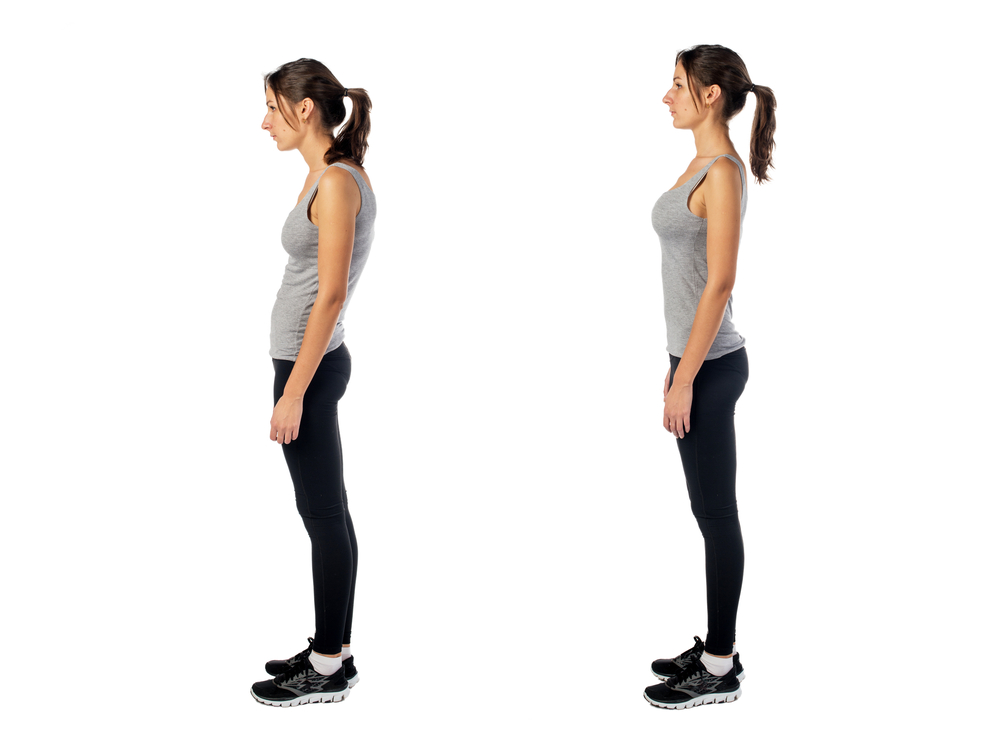
Physical Effects of Bad Posture
1. Musculoskeletal Pain
Bad posture can lead to chronic pain in various parts of the body:
- Neck and Shoulders: Slouching or hunching forward lead to rounded shoulders and anterior head carriage. It puts extra strain on the neck and shoulders, leading to discomfort and tension.
- Back Pain: Poor posture, especially when sitting, can cause lower and upper back pain due to uneven distribution of weight and pressure on the spine. It can lead to certain muscles being tighter like hip flexors or lower back muscles.
- Joint Strain: Misalignment from bad posture can put unnecessary stress on joints, increasing the risk of wear and tear.
2. Reduced Flexibility and Mobility
Maintaining a slouched or incorrect posture for extended periods can lead to muscle stiffness and reduced flexibility. Over time, this can limit your range of motion which make everyday activities more challenging.
3. Impaired Circulation and Digestion
Bad posture can compress internal organs and blood vessels, which may hinder circulation and impede digestive processes. This can lead to problems such as varicose veins, constipation, headaches, and thoracic outlet like symptoms.
Impact on Mental Health
1. Increased Stress and Fatigue
Poor posture can lead to increased physical stress on the body, which can translate into mental stress. This added tension can result in fatigue, making it harder to concentrate and perform daily tasks efficiently.
2. Negative Self-Image and Confidence
Posture can significantly influence how we perceive ourselves and how others perceive us. Poor posture, such as slumping or slouching, may lead to a negative self-image and decreased confidence, affecting social interactions and personal relationships.
Long-term Health Risks
1. Spinal Curvature
Continuous bad posture can lead to permanent changes in the spinal structure. Exaggerated curvatures or misalignments can increasing the risk of more severe issues like herniated discs.
2. Respiratory Issues
Slouching can compress the chest cavity, restricting lung capacity and leading to shallow breathing. Over time, this can impact respiratory efficiency and oxygen flow to the body.
Preventing and Correcting Bad Posture
1. Ergonomic Adjustments
Ensure workspaces, including desks, chairs, and computer setups, are ergonomically friendly to support proper posture. Sit to stand desk are helpful along with a good office chair.
2. Regular Exercise and Stretching
Incorporate exercises that strengthen core muscles and promote flexibility. Stretching routines can help alleviate muscle tension and improve posture for certain muscle based on you.
3. Mindful Posture Practices
Be conscious of your posture throughout the day. Simple practices like standing tall, keeping shoulders back, and aligning your head with your spine can make a significant difference. This is especially true while driving and while at work throughout the day.
4. Chiropractic care
Chiropractic care is excellent for postural issues. Chiropractors are well trained providers that can make specific individual suggestions and treatments that will impact all of the ways we have discussed how bad posture can affect your body care.

Conclusion
By understanding the effects of bad posture and taking proactive steps to improve it, individuals can enhance their physical health, mental well-being, and overall quality of life. Feel free to reach out to Fletcher Chiropractic at 402.261.5766 or info@fletcherchiropracticllc.com. You can also find out more information on our website www.fletcherchiropracticllc.com.